Partnered Initiatives
Partnered Research
CIFAL Victoria is commited to amplifying research that advances the United Nations Sustainable Development Goals (SDGs), the United Nations Declaration on the Rights of Indigenous Peoples (UNDRIP).
We partner with University of Victoria (UVic) researchers and with community partners to support impactful research that aligns with our mission. Beyond sharing existing work, we actively support partners in developing new research endeavors. We can leverage the connections and resources of the CIFAL Global Network to strengthen grant applications and support knowledge mobilization for a more sustainable and just world.
Attention UVic researchers!
CIFAL VICTORIA CAN BE A STRATEGIC PARTNER IN YOUR RESEARCH GRANT APPLICATION
We can support and augment knowledge translation and mobilization plans through our training services and connections to the CIFAL global network and UNITAR. We can amplify your communication and outreach efforts. We can also connect you to experts around the world with relevant expertise and experience for your application.
We are able to offer in-kind and cash support that might include:
- Report or publication co-published by UNITAR (design, layout, circulation)
- UN-certification for training workshops, modules, or learning materials
- Amplification of public events, conferences, webinars, outreach efforts
- Advice on best practices for environmental sustainability in program activities
Ready to share your research or explore collaboration? Let’s connect!
Meet some of our partner research teams…
Featured research partner
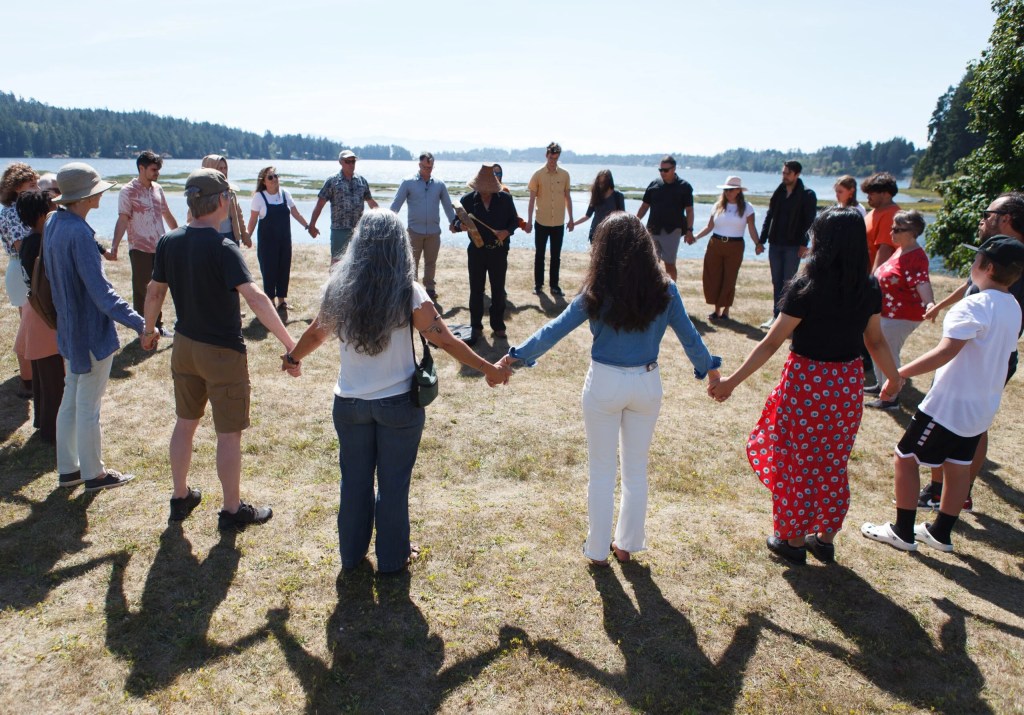
Balance Co-Lab
The Balance Co-Lab brings Indigenous organizations and university-based partners together. Their work supports decision-making and impact assessment informed by Indigenous knowledges, values and governance systems.
The Balance Co-Lab is founded on principles of interconnectedness, respect and reciprocity. Their mission is to advance Indigenous self-determination, community capacity and well-being. They bring together a diverse range of academic disciplines and community partners to create impactful solutions that honour Indigenous knowledge and traditions. They are dedicated to making a meaningful difference in the lives of Indigenous peoples.
Featured research partner
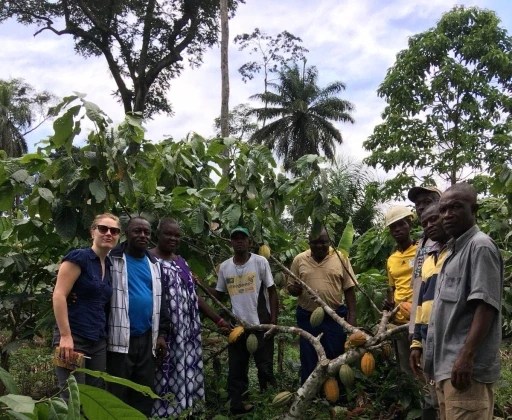
Environmental Governance Group
The Environmental Governance Group is a community-engaged research team that works with global and local partners. These include community leaders, policy makers and companies.
Many of today’s greatest challenges are related to climate change, biodiversity loss and sustainable food production. The Environmental Governance Group’s research directly tackles these challenges. They study the political geography of natural resource governance. Their primary focus is on how global food systems impact people and ecosystems.
Read publications from our partners…
Featured Partner Publication
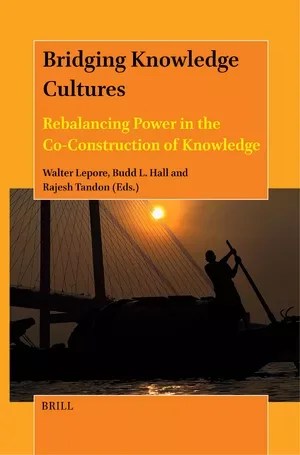
Bridging Knowledge Cultures: Rebalancing Power in the Co-Construction of Knowledge
Edited by Walter Lepore, Budd L. Hall, & Rajesh Tandon
Establishing respectful and mutually beneficial partnerships with diverse communities is a major challenge for academia. Bridging Knowledge Cultures examines the dynamics and obstacles involved in building research partnerships across different knowledge domains. This book offers practical recommendations for tackling these challenges and forging effective collaborations between research institutions and communities.
Featured Partner Publication
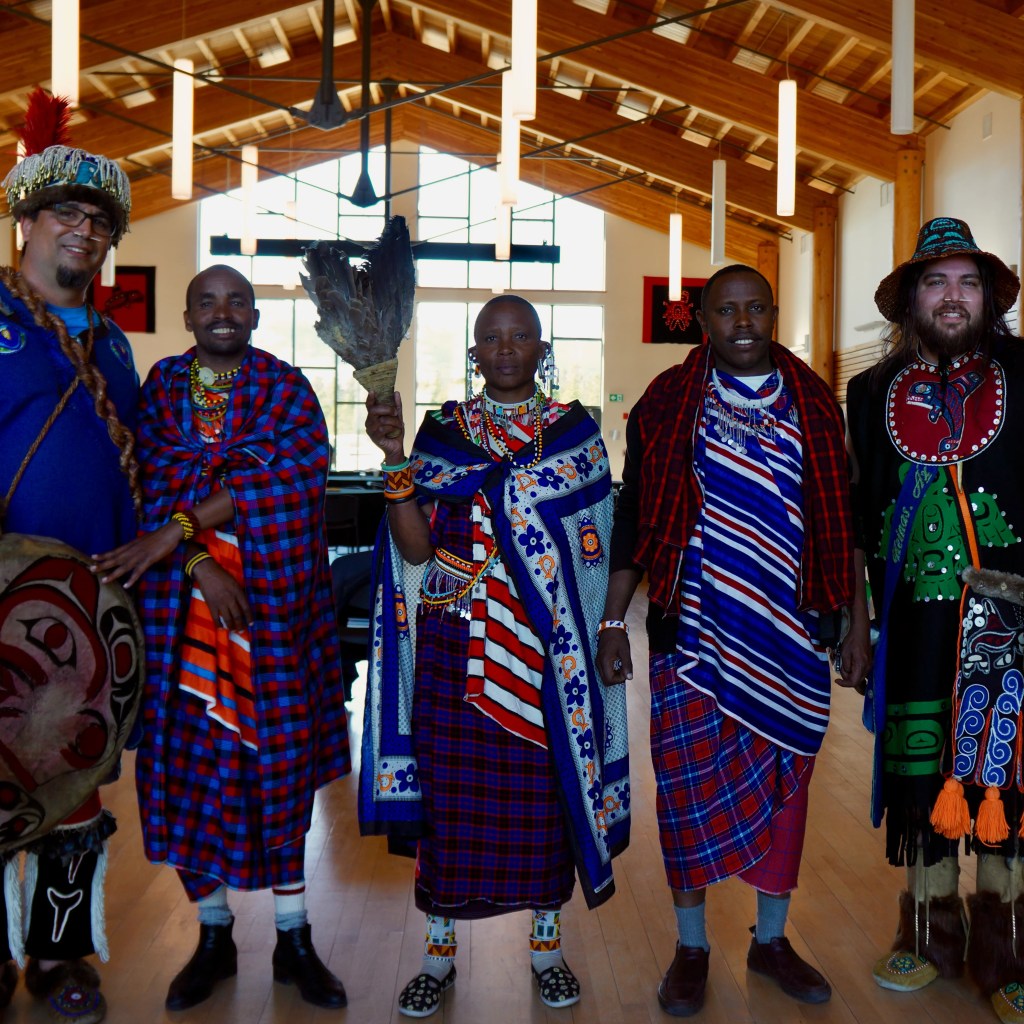
Indigenous knowledge-bridging to support ecological stewardship in Canada and Tanzania
by Elicia Bell, Crystal Tremblay, Sophia Carodenuto, Bruce Downie, Phillip Dearden, Emmanuel Ole Kileli, & Sean McDougall
This project connected Indigenous communities in Canada and Tanzania. The goal was to support environmental stewardship and strengthen their governance of traditional lands and waters. The authors collaborated with Maasai from Tanzania, First Nations from British Columbia and the Yukon, and non-Indigenous researchers. They facilitated cross-cultural exchanges to share ecological knowledge and management practices. This work showed the impact of these exchanges. They can foster solidarity and support Indigenous communities in protecting their environment and asserting their rights.